Personalized Medical Care & Dedicated International Patient Concierge


Incisional Double Eyelid Surgery · Needs Clinic Confirmation
Eye Shape Correction
Eye shape correction is a surgical procedure that addresses the muscles responsible for lifting the upper eyelid.
Schedule a ConsultationEye Shape Correction Surgery

Introduction
The eyes play a central role in facial expression and visual communication. Eye opening strength, eyelid position, and eyelid contour significantly influence how large, alert, and youthful the eyes appear. Some individuals naturally have small or sleepy-looking eyes due to weak eyelid muscles or drooping eyelids, while others develop eyelid ptosis over time due to aging or anatomical factors.
Eye shape correction surgery, also known as eye opening muscle correction, is a surgical procedure designed to improve eyelid function and create clearer, more defined eye contours. This procedure focuses on correcting the muscles responsible for lifting the eyelid, resulting in improved eye opening and a more distinct eye appearance.
At Sharp Plastic Surgery, eye shape correction is performed using either non-incisional or incisional techniques, depending on eyelid anatomy, degree of drooping, and individual patient needs. The procedure aims to enhance eye opening strength while maintaining a natural and balanced appearance.
Understanding Eye Shape Correction Surgery
What Is Eye Shape Correction?
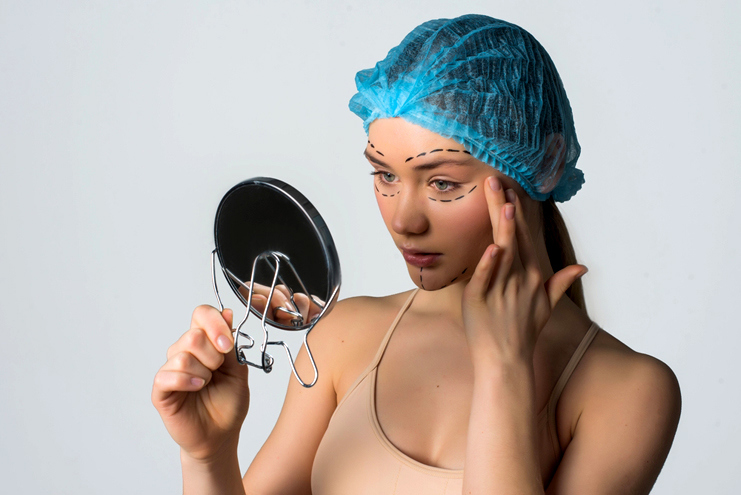
Eye shape correction is a surgical procedure that addresses the muscles responsible for lifting the upper eyelid. Unlike double eyelid surgery, which focuses on eyelid crease formation, eye shape correction targets the levator muscle and Müller’s muscle, which control eyelid elevation.
By adjusting these muscles, the procedure can:
Improve eyelid opening strength
Reduce sleepy or tired-looking eyes
Enhance eye size and clarity
Improve symmetry between the eyes
This procedure is often recommended for individuals with mild to severe eyelid drooping or weak eye-opening muscles.
Types of Eye Shape Correction Techniques
Sharp Plastic Surgery offers two primary techniques based on the patient’s eyelid condition:
Non-Incisional Eye Shape Correction
Non-incisional eye shape correction involves creating small micro-holes in the eyelid and tightening the eye-opening muscles using sutures. This technique is performed without skin incision and is suitable for selected candidates.
Key Features
No skin incision
Micro-hole technique with sutures
Strengthens eye-opening muscles
Suitable for thin eyelids with minimal sagging
Procedure Time and Anesthesia
Surgical time: 15–30 minutes
Anesthesia: Local anesthesia
Suture removal: Not required
Discharge: Same-day discharge
Suitable Candidates
Non-incisional eye shape correction may be appropriate for individuals who:
Want larger and clearer eyes
Do not have severe ptosis
Prefer to avoid incisional surgery
Have minimal eyelid fat
Have thin eyelid skin
This technique is often chosen for patients seeking a shorter recovery period and minimal downtime.
Incisional Eye Shape Correction
Incisional eye shape correction is performed through a skin incision and is recommended for individuals with thicker eyelids, excess fat, or significant eyelid drooping. This technique allows removal of fat and muscle tissue and repositioning of the levator aponeurosis and Müller’s muscle.
Key Features
Skin incision approach
Removal of fat and muscle tissue
Tightening and repositioning of eyelid lifting muscles
Suitable for severe eyelid drooping
Procedure Time and Anesthesia
Surgical time: 30–60 minutes
Anesthesia: Local anesthesia
Suture removal: 3–5 days after surgery
Discharge: Same-day discharge
Suitable Candidates
Incisional eye shape correction may be recommended for individuals who:
Have severe eyelid sagging
Have thick eyelid skin or excess fat
Have weak eye-opening muscles
Raise their eyebrows when opening their eyes
Require structural correction of eyelid anatomy
This method allows more extensive anatomical correction compared to non-incisional techniques.
Differences Between Non-Incisional and Incisional Eye Shape Correction
Choosing between non-incisional and incisional techniques depends on eyelid anatomy, degree of ptosis, and patient goals.
Non-Incisional Eye Shape Correction
Minimally invasive
No skin incision
Faster recovery
No suture removal
Suitable for mild ptosis and thin eyelids
Incisional Eye Shape Correction
Requires skin incision
Removes fat and muscle tissue
Corrects severe ptosis
Sutures removed after 3–5 days
Longer recovery compared to non-incisional technique
Sharp Plastic Surgery evaluates each patient individually to determine the most appropriate surgical method.
Procedure Process
1. Consultation and Evaluation
A detailed consultation is performed to assess:
Eyelid anatomy
Muscle strength
Degree of eyelid drooping
Symmetry between eyes
Patient expectations
The surgical plan is tailored to each patient’s eye structure and functional needs.
2. Surgical Planning
Based on the evaluation, the surgeon determines whether non-incisional or incisional eye shape correction is appropriate. The goal is to improve eyelid opening while maintaining natural eyelid contours.
3. Surgery
The surgery is performed under local anesthesia. The surgeon adjusts the eye-opening muscles to improve eyelid elevation and symmetry.
For incisional procedures, fat and muscle tissue may be removed, and the levator aponeurosis and Müller’s muscle are tightened and sutured.
4. Recovery and Follow-Up
Patients are discharged on the same day and receive postoperative care instructions. Follow-up visits are scheduled for monitoring recovery and suture removal when necessary.
Benefits of Eye Shape Correction Surgery

Improved Eye Opening Strength
The procedure enhances the function of the muscles responsible for lifting the eyelids.
Clearer and More Defined Eye Appearance
Correcting eyelid drooping can make the eyes appear larger and more alert.
Functional and Aesthetic Improvement
Eye shape correction can address both functional eyelid weakness and aesthetic concerns.
Customized Surgical Approach
Each procedure is tailored based on eyelid anatomy and severity of ptosis.
Sharp Plastic Surgery Clinical Approach
Surgeon Responsibility System
Sharp Plastic Surgery operates a surgeon responsibility system, where the attending surgeon manages consultation, surgery, and postoperative care, ensuring continuity of treatment.
Safety-Oriented Surgical Philosophy
The clinic emphasizes safe and ethical surgery, with a focus on honest and responsible surgical practices.
Personalized Aftercare Program
Postoperative management includes customized care protocols to support healing and minimize complications.
Postoperative Care and Aftercare Program
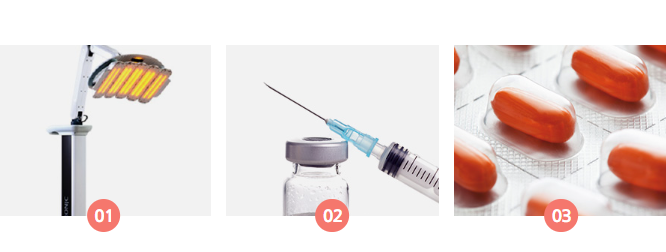
Sharp Plastic Surgery provides structured postoperative care to support recovery:
Skin Regeneration Laser Treatment
Laser therapy is used to support skin regeneration and healing.
Swelling and Pain Management
Cold packs and swelling injections may be provided to reduce postoperative discomfort and edema.
Customized Medication
Individualized medications are prescribed to prevent complications and support recovery.
Recovery Timeline
Immediate Postoperative Period
Patients may experience swelling, bruising, and mild discomfort. These effects are generally temporary.
Short-Term Recovery
Non-incisional procedures typically have shorter recovery periods, while incisional procedures may require several days for suture removal and swelling reduction.
Long-Term Healing
Final eyelid shape and muscle function stabilize over several weeks as tissues heal and swelling subsides.
Safety and Risk Considerations
Eye shape correction surgery is a surgical procedure and should be performed by qualified medical professionals with expertise in eyelid anatomy and ocular structures. Potential risks include:
Swelling and bruising
Temporary asymmetry
Overcorrection or undercorrection
Infection or delayed healing
A thorough preoperative assessment and proper postoperative care are essential to reduce risks.
Expected Results and Realistic Outcomes
Eye shape correction surgery aims to create clearer, more alert eyes while maintaining natural eyelid movement and facial expression. Patients should understand that:
Results may vary based on anatomy and healing
Symmetry improves but may not be perfectly identical
Swelling may temporarily affect eyelid position
The procedure is designed to provide functional and aesthetic improvements rather than exaggerated changes.
Comparison with Other Eye Procedures
Eye shape correction is different from other eyelid procedures:
Double Eyelid Surgery
Creates or enhances the eyelid crease but does not directly strengthen eye-opening muscles.
Ptosis Surgery
A broader category that includes eye shape correction techniques targeting eyelid elevation muscles.
Blepharoplasty
Removes excess skin or fat but may not address muscle weakness.
Eye shape correction specifically focuses on improving the eye-opening mechanism.
Patient Selection and Consultation
Proper candidate selection is essential for successful outcomes. Factors considered during consultation include:
Degree of eyelid drooping
Eyelid skin thickness and fat distribution
Muscle strength
Facial symmetry
Patient expectations
Sharp Plastic Surgery provides individualized consultation to determine the most appropriate surgical method.
Medical Tourism Considerations
Eye shape correction surgery is commonly sought by international patients seeking functional and aesthetic eye enhancement. Important considerations for medical tourism include:
Short procedure time (15–60 minutes)
Local anesthesia and same-day discharge
Minimal hospital stay
Structured postoperative care programs
Follow-up visits for suture removal when applicable
International patients should plan sufficient time for consultation, surgery, and postoperative monitoring.
Frequently Asked Questions (FAQ)
How long does eye shape correction surgery take?
Non-incisional procedures typically take 15–30 minutes, while incisional procedures take 30–60 minutes.
Is hospitalization required?
Patients are discharged on the same day after surgery.
When are sutures removed?
Non-incisional procedures do not require suture removal. Incisional procedures require suture removal after 3–5 days.
How long is the recovery period?
Non-incisional procedures generally have shorter recovery periods, while incisional procedures may require 5–7 days for initial recovery.
Is the procedure performed under general anesthesia?
Eye shape correction is performed under local anesthesia, with optional sedation when necessary.
Conclusion
Eye shape correction surgery is a specialized procedure that improves eyelid opening strength and enhances eye clarity by correcting the muscles responsible for eyelid elevation. By addressing both functional and aesthetic aspects of the eyes, the procedure can help create a more defined and alert eye appearance.
At Sharp Plastic Surgery, both non-incisional and incisional eye shape correction techniques are available, allowing tailored treatment based on eyelid anatomy and severity of drooping. With procedure times ranging from 15 to 60 minutes, local anesthesia, same-day discharge, and structured postoperative care, eye shape correction surgery can be an effective option for individuals seeking improved eye function and aesthetics.
A thorough consultation, realistic expectations, and appropriate postoperative care are essential to achieving safe and satisfactory outcomes.
Other Services
Explore additional treatments offered by our specialists.

Facial Liposuction Revision Surgery
Facial liposuction revision surgery is a corrective procedure performed after an initial facial fat liposuction treatment when the results are unsatisfactory.
Learn More

Rhinoplasty by Type
Rhinoplasty by type refers to customized surgical techniques designed according to specific nasal shapes and anatomical features.
Learn More

Mid-Facial Lift
Mid-Facial Lift Surgery is a surgical lifting procedure designed to improve sagging in the mid-face region, including the under-eye area, cheeks, and nasolabial folds.
Learn More