Personalized Medical Care & Dedicated International Patient Concierge


Rhinoplasty (Nose Reshaping Surgery) · Needs Clinic Confirmation
Revision Rhinoplasty
Revision rhinoplasty is performed to correct complications or unsatisfactory results from a previous nose surgery.
Schedule a ConsultationRevision Rhinoplasty

Revision rhinoplasty, also known as secondary nose surgery, is a corrective procedure performed after a previous rhinoplasty when the initial results are unsatisfactory or complications have developed. Patients may experience aesthetic dissatisfaction, structural deformities, breathing issues, or implant-related complications. Because the nose is the center of the face, even minor imperfections can significantly affect facial balance and overall appearance.
At Sharp Plastic Surgery Clinic in Gangnam, Seoul, revision rhinoplasty is approached as a highly specialized reconstructive and aesthetic procedure. Founded in 2022 by Dr. Kim Un-Hoe, a board-certified plastic surgeon with extensive experience in facial contouring and revision surgery, Sharp Plastic Surgery focuses on precise diagnosis, anatomical understanding, and individualized surgical planning.
The clinic’s philosophy emphasizes that revision surgery must be different—more precise, more structured, and more personalized. The goal is not only aesthetic improvement but also structural stability and long-term facial harmony.
What Is Revision Rhinoplasty?
Revision rhinoplasty is a secondary corrective nose surgery performed after a previous rhinoplasty. It is recommended for patients who:
Are dissatisfied with their previous nose shape
Have structural deformities or asymmetry
Experience implant-related complications
Have functional or aesthetic issues after prior surgery
Want a more balanced and refined nasal contour
Unlike primary rhinoplasty, revision rhinoplasty is significantly more complex due to scar tissue, altered anatomy, and reduced tissue flexibility. Therefore, a surgeon’s anatomical expertise and technical precision are critical.
At Sharp Plastic Surgery, revision rhinoplasty is performed by Dr. Kim Un-Hoe, who personally manages consultation, surgery, and postoperative care.
Why Revision Rhinoplasty Must Be Different
Revision nose surgery requires a fundamentally different approach compared to first-time rhinoplasty. Previous surgical alterations create scar tissue and structural changes, making dissection and reconstruction more technically demanding.
Sharp Plastic Surgery emphasizes:
Precise preoperative diagnosis using CT imaging
Detailed anatomical analysis of nasal structure
Customized surgical planning based on facial harmony
Surgeon-led consultation and surgery without delegation
The clinic’s approach prioritizes structural correction, facial balance, and long-term stability rather than temporary cosmetic changes.
Comprehensive Consultation and CT-Based Surgical Planning

At Sharp Plastic Surgery, revision rhinoplasty begins with a detailed evaluation, including:
High-resolution CT scanning before surgery
Facial harmony analysis (forehead, eyes, cheekbones, lips, and chin)
Assessment of previous implants, scar tissue, and cartilage condition
This data-driven approach allows Dr. Kim to create a personalized surgical plan that aligns with the patient’s facial proportions and aesthetic goals.
Types of Nose Conditions Treated with Revision Rhinoplasty
Low Nose (Flat Nose)
Patients with insufficient nasal height may lack three-dimensional facial depth. Revision surgery can enhance nasal projection using implants or autologous cartilage.
Hump Nose (Dorsal Hump)
A protruding nasal bridge can create a strong or masculine impression. Revision surgery smooths the nasal dorsum to achieve a balanced contour.
Long or Crooked Nose
A low nasal starting point or deviated implants can make the nose appear long or asymmetrical. Osteotomy or septal correction may be performed to realign the structure.
Upturned Nose (Pig Nose)
A short nasal bridge can expose nostrils and create an immature appearance. Revision surgery adjusts tip height and projection for a refined look.
Contracted Nose (Scar Contracture)
Scar tissue from previous surgery can pull the nose upward and distort shape. Delicate removal of fibrotic tissue is required to restore normal structure.
Extruding Silicone Implant
When silicone implants protrude or threaten to perforate the skin, removal and reconstruction with autologous tissue are performed.
Short Columella (Absent Columella)
A sharp angle between the nose and lips can reduce elegance. Cartilage grafting can improve the columellar structure for a refined nasal-labial angle.
Bulbous Nose (Wide or Thick Nasal Tip)
Thick alar cartilage or soft tissue can create a wide nasal tip. Cartilage suturing and soft tissue reduction help refine the nasal tip.
Customized Surgical Techniques for Revision Rhinoplasty
Columella Reconstruction for Refined Facial Image
Cartilage grafting between the nose and lips creates a defined and elegant nasal-labial angle.
Bulbous Nose Reduction Surgery
Alar cartilage reshaping and soft tissue reduction create a slimmer and sharper nasal tip.
Low Nose Augmentation Surgery
The nasal starting point is customized, and implants or autologous cartilage are used to enhance nasal height.
Hump Nose Correction Surgery
Protruding nasal bone is carefully separated and shaved to create a smooth dorsal line.
Crooked or Long Nose Correction
Nasal starting point adjustment, osteotomy, and septal correction restore alignment and improve midface proportions.
Upturned Nose Correction
Tip height is adjusted to prevent nostril exposure and create a refined frontal appearance.
Contracted Nose Reconstruction
Scar tissue is meticulously removed without damaging surrounding structures, followed by structural reconstruction.
Extruding Silicone Implant Revision
Silicone implants are removed with precise dissection, and autologous dermis is used to reinforce skin thickness and stability.
Surgeon-Led Revision Rhinoplasty at Sharp Plastic Surgery
At Sharp Plastic Surgery, revision rhinoplasty is performed under a single-surgeon system, eliminating concerns about delegated surgery or “shadow doctors.”
Key clinical principles include:
Board-certified plastic surgeon direct consultation and surgery
Balanced facial harmony-focused design
Customized surgical planning
Meticulous postoperative care
This approach ensures consistency, precision, and patient trust.
Importance of Postoperative Care in Revision Rhinoplasty
Revision rhinoplasty requires intensive postoperative management to ensure stable results. Sharp Plastic Surgery provides 1:1 customized aftercare, which may include:
Fractional laser treatment for scar management
Scar and fibrosis injections
Regenerative cell injections
Professional skin care and blackhead management
The clinic emphasizes that postoperative care is a critical component of rhinoplasty success, especially in revision cases.
SHARP SIGNATURE Aftercare Program
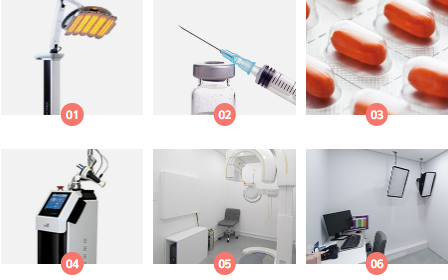
Sharp Plastic Surgery offers a structured aftercare program to reduce complications and enhance recovery.
Laser Therapy for Skin Regeneration
Healite laser therapy may be used to promote healing and skin regeneration.
Swelling and Pain Management
Cold compress packs and swelling-reduction injections help improve postoperative comfort.
Customized Medication Prescription
Personalized medication protocols are prescribed to prevent complications.
Fractional Laser Treatment
Fractional laser treatments may be provided for scar control and skin quality improvement.
Preoperative CT Examination
CT imaging is performed before surgery for precise diagnosis and surgical planning.
Surgical Documentation and Photography
Pre- and postoperative photographs are taken to document surgical outcomes and guide follow-up evaluations.
Personalized Surgical Design for Facial Harmony
Revision rhinoplasty at Sharp Plastic Surgery is designed not only to correct nasal issues but also to harmonize the nose with the entire face. Dr. Kim evaluates:
Forehead contour
Eye position and shape
Cheekbone structure
Lip and chin projection
This holistic approach ensures the nose complements the overall facial proportions rather than appearing isolated or artificial.
Patient Safety and Clinical Transparency
Sharp Plastic Surgery prioritizes patient safety through strict clinical protocols:
Single-surgeon system with no delegated surgery
Strict sterilization standards
Comprehensive preoperative CT evaluation
Structured postoperative monitoring and documentation
Patients receive detailed explanations of procedures, risks, and expected outcomes to ensure informed decision-making.
Who Is a Candidate for Revision Rhinoplasty?
Revision rhinoplasty may be considered for individuals who:
Are dissatisfied with previous rhinoplasty results
Have implant-related complications or deformities
Want structural or aesthetic correction
Have realistic expectations and stable health
A personalized consultation with a board-certified plastic surgeon is essential to determine surgical candidacy and planning.
Expected Results of Revision Rhinoplasty

The primary goals of revision rhinoplasty at Sharp Plastic Surgery include:
Improved nasal shape and symmetry
Balanced facial harmony
Refined nasal tip and dorsum
Stable long-term structural results
Final outcomes depend on tissue condition, scar tissue severity, and previous surgical history.
How Revision Rhinoplasty Differs from Primary Rhinoplasty
Revision rhinoplasty differs from primary surgery in several ways:
Scar tissue and altered anatomy increase surgical complexity
Structural reconstruction is often required
Implant removal or cartilage grafting may be necessary
Higher surgical precision and experience are required
Due to these complexities, revision rhinoplasty should be performed by an experienced surgeon specializing in secondary nasal surgery.
Considerations and Limitations
While revision rhinoplasty can significantly improve nasal aesthetics and structure, patients should understand:
Results depend on tissue condition and previous surgical damage
Multiple surgeries may be required in severe cases
Healing and swelling may take longer than primary surgery
Realistic expectations are essential
A detailed consultation is critical for setting appropriate expectations.
International Patient Support at Sharp Plastic Surgery
Sharp Plastic Surgery provides comprehensive support for international patients, including:
English-language consultation and assistance
Clear guidance throughout the surgical process
Structured preoperative and postoperative care planning
The clinic is located at 8th Floor, KPLATZ, 368 Sapyeong-daero, Seocho-gu, Seoul, just one minute from Sinnonhyeon Station, making it easily accessible for overseas patients.
Conclusion
Revision rhinoplasty at Sharp Plastic Surgery is a highly specialized corrective procedure designed to address aesthetic and structural issues after previous nose surgery. Under the leadership of Dr. Kim Un-Hoe, the clinic emphasizes CT-based diagnosis, anatomical precision, personalized surgical planning, and comprehensive postoperative care.
With a single-surgeon system, detailed facial harmony analysis, and structured aftercare protocols, Sharp Plastic Surgery provides a patient-centered approach to secondary nose surgery. For patients seeking corrective nasal surgery after unsatisfactory results, revision rhinoplasty at Sharp Plastic Surgery offers a precise, individualized pathway toward balanced and natural facial aesthetics.
Other Services
Explore additional treatments offered by our specialists.

Facial Liposuction Revision Surgery
Facial liposuction revision surgery is a corrective procedure performed after an initial facial fat liposuction treatment when the results are unsatisfactory.
Learn More

Rhinoplasty by Type
Rhinoplasty by type refers to customized surgical techniques designed according to specific nasal shapes and anatomical features.
Learn More

Mid-Facial Lift
Mid-Facial Lift Surgery is a surgical lifting procedure designed to improve sagging in the mid-face region, including the under-eye area, cheeks, and nasolabial folds.
Learn More