Personalized Medical Care & Dedicated International Patient Concierge

Medical Guide
G-Wave & LDM-Triple: Skin Devices for Surgery Recovery
How G-Wave and LDM-Triple energy-based skin devices support facial surgery recovery and skin quality, what each does, and how they fit a personalized plan.
Schedule a ConsultationG-Wave and LDM-Triple: How Energy-Based Skin Devices Support Facial Surgery Recovery
Medically reviewed by Dr. Kim Un-hoe, M.D., Board-Certified Plastic Surgeon, Sharp Plastic Surgery · Last updated July 2026
If you are researching a G-Wave skin treatment Korea clinics offer, or the LDM-Triple ultrasound device, it helps to understand these energy-based skin devices as recovery-support and skin-quality tools rather than standalone cosmetic add-ons. After facial surgery, the skin and soft tissue need time to settle, and many clinics use gentle energy-based technologies to help support that process. This guide explains, in general terms, how ultrasound and energy-based skin devices are used to support recovery and skin quality, and how they fit into the equipment available at Sharp Plastic Surgery. It is general education and does not describe device specifications beyond the documented names.
Why skin recovery matters after facial surgery
Any facial procedure, whether it is liposuction, fat grafting, a facelift, or thread lifting, involves some degree of controlled trauma to the tissues. The body responds with a predictable healing sequence: inflammation and swelling first, then tissue repair, then a longer remodeling phase during which collagen reorganizes and the final result gradually settles. Swelling and bruising are a normal part of this process, and they typically peak in the first days and then subside over weeks.
Recovery is not something you simply wait out. The quality of skin healing, how evenly swelling resolves, how comfortable the tissue feels, and how well the skin's texture holds up, can all influence how smooth the final result looks. This is where supportive skin treatments come in. Energy-based devices are used, alongside rest and standard aftercare, to help the skin during this settling period. They do not replace the surgery itself or its outcome; they support the environment in which healing happens.
The healing timeline also explains why patience matters. In the first week or two, swelling and firmness can make it hard to judge a result, and the tissue may feel tight or uneven. Over the following weeks and months, as inflammation resolves and collagen remodels, contours soften and become more natural. Supportive skin care during this window is not about rushing the result but about keeping the skin comfortable, hydrated, and well cared for while it does its own work. This is one reason clinics build follow-up visits into the recovery plan rather than treating surgery as a single event.
What are energy-based skin devices?
"Energy-based device" is an umbrella term for technologies that deliver a controlled form of energy, such as ultrasound, radiofrequency, or light, into or across the skin to produce a specific effect. Depending on the device and settings, that effect might be gentle warming, micro-level stimulation of the tissue, improved circulation, or stimulation of collagen production. In dermatology and aesthetic medicine these devices are widely used both for skin rejuvenation and, in a supportive role, around procedures.
In a recovery context, the goal is usually gentler than in a purely cosmetic tightening treatment. Rather than aiming for a dramatic change, supportive use focuses on helping the skin feel and look calmer: encouraging circulation, supporting the skin barrier and hydration, and helping the tissue settle. Because these are non-surgical treatments, they are typically comfortable and involve little or no downtime of their own. As always, whether and when they are appropriate depends on your individual healing and is decided by your surgeon.
LDM-Triple: triple-frequency ultrasound
Among the documented equipment at Sharp Plastic Surgery is the LDM-TRIPLE, a triple-frequency ultrasound device. Ultrasound in this context refers to sound waves delivered into the skin at frequencies far above what we can hear. Therapeutic ultrasound has a long history in medicine, including in physical therapy, where it is used to deliver gentle energy into tissue.
The "triple-frequency" description refers to a device that can work at more than one ultrasound frequency. In general terms, ultrasound-based skin devices are used to deliver controlled micro-stimulation to the skin, which practitioners associate with supporting circulation and the skin's own repair processes and with improving skin quality over a course of treatments. In a recovery-support role, gentle ultrasound is often chosen because it is non-invasive and comfortable.
It is worth being precise about expectations: ultrasound skin treatments are supportive measures. They are not a substitute for a surgical result, and outcomes vary between individuals. The specific settings and whether the device suits your stage of healing are matters for the clinic to determine.
G-Wave (Glove Lifting)
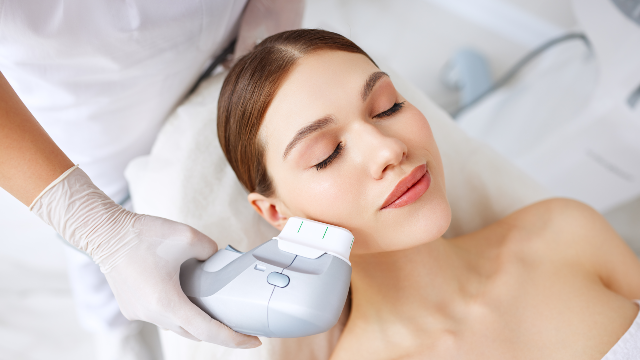
The other device highlighted here is G-Wave, described as a "Glove Lifting" device and part of Sharp Plastic Surgery's documented equipment. "Glove lifting" refers to the way the treatment is applied, using a glove-style applicator so the practitioner can deliver the device's energy across the contours of the face by hand. This hands-on application allows the treatment to follow the face's natural curves.
As an energy-based skin device, G-Wave is used in the general category of skin-quality and lifting-support treatments. In a post-surgical context, gentle energy-based treatments like this are typically used to support the skin and help it feel firmer and more comfortable as it recovers, complementing rather than replacing the surgical result. Because it is applied externally and non-invasively, it fits into the low-downtime category of supportive treatments.
As with all such devices, the effect is gradual and individual, and it is only appropriate at certain stages of healing. Whether G-Wave forms part of your aftercare is decided during personalized assessment.
The clinic's wider skin-device and imaging toolkit
Energy-based skin devices are most useful as part of a broader, individualized recovery and skin-care plan. Sharp Plastic Surgery's documented equipment includes several complementary systems:
- Fractional CO2 Laser (10,600 nm): a fractional laser used in skin resurfacing and skin-quality treatments.
- Plasma skin-regeneration system: an energy-based system used for skin regeneration.
- LDM-TRIPLE triple-frequency ultrasound: the ultrasound device described above.
- G-Wave (Glove Lifting): the hand-applied energy-based device described above.
- Aquaphil hydration system: a deep cleansing and hydration system, supporting skin hydration and the skin barrier.
- Cellmaster platform: a multi-device skin-care and recovery platform that brings together several skin-care functions.
Alongside these, the clinic uses VECTRA 3D imaging and 3D CT for surgical planning and assessment. The value of having a range of devices is that a recovery-support plan can be tailored: hydration support, gentle energy-based treatments, and skin-quality treatments can be selected and sequenced to suit each patient's healing rather than applied as a one-size-fits-all package. Each of these plays a different supporting role. Hydration-focused systems such as Aquaphil help maintain the skin barrier and moisture balance, which can be especially welcome when skin feels dry or stressed after a procedure. A resurfacing laser like the Fractional CO2 Laser and a plasma skin-regeneration system are more oriented toward skin-quality and texture treatments and are used selectively and at appropriate times rather than routinely during early recovery. A multi-device platform such as Cellmaster allows several skin-care functions to be combined into one structured session. Grouping devices this way lets the clinic match the intensity and type of support to where a patient is in their healing.
These are described by their documented names and roles; this article does not claim any specific technical specifications beyond that.
How these devices fit a recovery plan at Sharp Plastic Surgery
Sharp Plastic Surgery is a facial-focused plastic surgery clinic established in 2022 in Seocho-gu, Seoul, registered with the Ministry of Health and Welfare for foreign patients and offering English-language support. A defining feature is its "no shadow doctor" policy: all consultations and surgeries are personally performed by Dr. Kim Un-hoe, a board-certified plastic surgeon and Hanyang University College of Medicine graduate with more than 15 years of experience and over 1,000 surgeries. Because the same surgeon plans and performs your procedure and oversees your aftercare, decisions about supportive skin treatments are made in the context of your specific surgery and healing.
In practice, this means energy-based skin devices are not sold as generic add-ons but considered as part of structured follow-up. The clinic schedules follow-up visits to monitor healing, and supportive treatments can be introduced when appropriate for your stage of recovery. If you are planning a facial procedure and want to understand what recovery support might involve, you can raise it directly through the clinic's consultation and contact page. You can also learn more about the clinic's surgeon-led approach on its about page, and see the kinds of concerns its procedures address on the before-and-after page.
Who might benefit, and important limits
Energy-based skin-device support may be relevant for people who:
- Are recovering from a facial procedure and want structured aftercare that supports skin comfort and quality.
- Prefer non-invasive, low-downtime treatments alongside their surgical recovery.
- Understand that these devices support the healing environment rather than change the surgical result.
There are important limits to keep in mind. Not every device is appropriate at every stage of healing, and some treatments are best delayed until swelling has settled. People with certain skin conditions, active infections, or specific medical histories may not be suitable candidates for particular devices. And because responses vary, no specific outcome can be guaranteed. These are exactly the reasons the timing and choice of any supportive treatment should be determined by your surgeon during in-person assessment, not decided from a webpage.
The Bottom Line
- G-Wave (Glove Lifting) and LDM-TRIPLE (triple-frequency ultrasound) are energy-based skin devices best understood as recovery-support and skin-quality tools, not standalone cosmetic add-ons.
- After facial surgery, the skin heals through swelling, repair, and remodeling; gentle energy-based treatments are used to support that process, not replace the surgical result.
- Sharp Plastic Surgery's documented skin toolkit also includes a Fractional CO2 Laser, a plasma skin-regeneration system, an Aquaphil hydration system, and a Cellmaster platform.
- All care is planned and overseen by Dr. Kim Un-hoe under the clinic's "no shadow doctor" policy, with supportive treatments introduced as part of structured follow-up.
- Whether a specific device suits you, and when, depends on your individual healing and is decided at consultation. Results vary.
Frequently Asked Questions
**What is the difference between G-Wave and LDM-Triple?**Both are energy-based skin devices in Sharp Plastic Surgery's documented equipment. LDM-TRIPLE is a triple-frequency ultrasound device, meaning it uses ultrasound energy at more than one frequency. G-Wave is a "Glove Lifting" device applied by hand using a glove-style applicator so energy follows the face's contours. Both are used in a supportive, skin-quality role.
**Do these devices replace surgery?**No. Energy-based skin devices support the skin and the recovery environment; they do not remove fat, reposition tissue, or reproduce a surgical result. They are used alongside procedures and aftercare, not instead of them.
**When can I start skin-device treatments after facial surgery?**That depends on your procedure and how your healing is progressing. Some supportive treatments are appropriate early, while others are better once swelling has settled. Dr. Kim Un-hoe determines timing during your follow-up based on your individual recovery.
**Are energy-based skin treatments painful or do they have downtime?**These treatments are non-invasive and generally comfortable, often described as gentle warming or light stimulation, with little or no downtime of their own. Any sensitivity is usually mild and brief. Your clinician will explain what to expect for the specific device used.
**Can these devices help with swelling after liposuction?**Gentle energy-based and hydration-support treatments are commonly used to help the skin feel calmer and support circulation during recovery, which patients often associate with more comfortable settling. They support the process rather than guaranteeing a specific reduction, and results vary by individual.
**Are these treatments suitable for everyone?**Not always. Certain skin conditions, active infections, or medical histories can make a particular device unsuitable, and timing matters. An in-person assessment is the only way to determine whether a device is appropriate for you and when.
This article is for general informational purposes and does not constitute individualized medical advice. Diagnosis, candidacy, and treatment can only be determined through consultation with a qualified clinician.
More Articles
Continue reading our clinical guides.
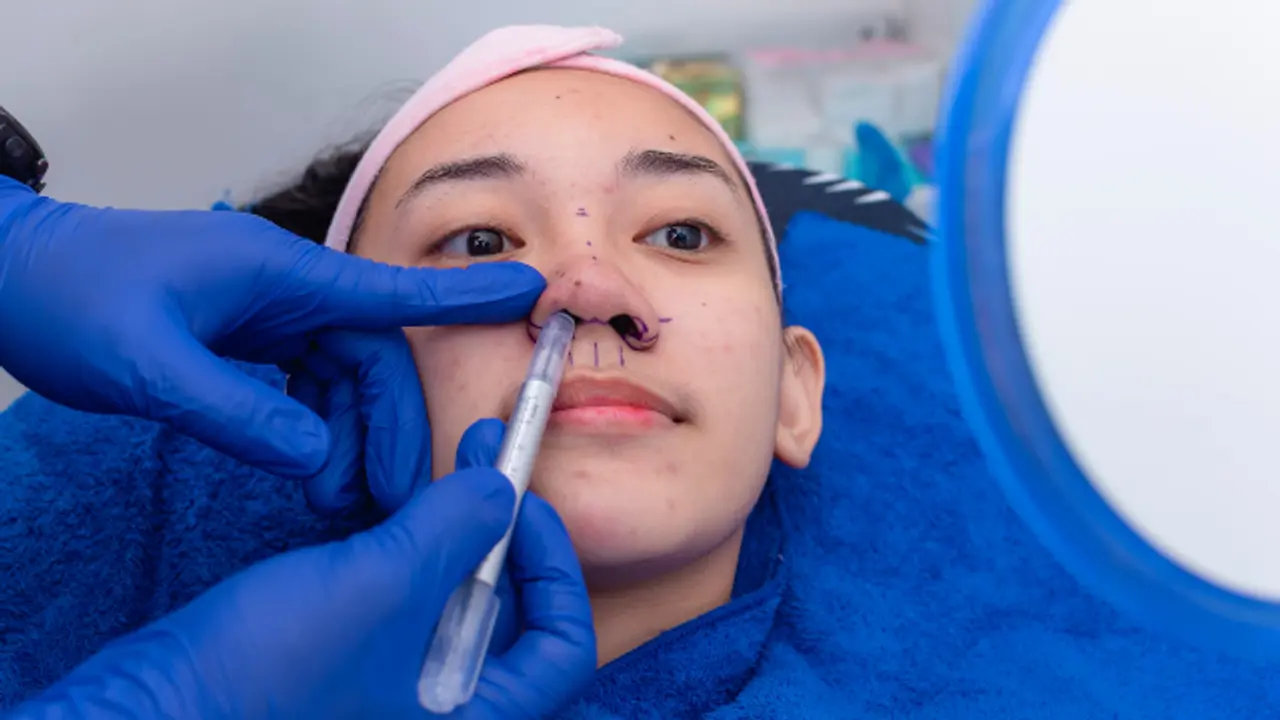
Septal Extension Rhinoplasty: Nasal Length & Tip Projection
Septal extension rhinoplasty uses your own cartilage to add nasal length and tip projection. Learn how it works, septum vs rib grafts, and who qualifies.
Learn More
Alar Reduction & Nostril Reshaping: Narrow a Wide Nasal Base
Alar reduction narrows a wide nasal base and reshapes flared nostrils. Learn how the technique works, scarring, recovery, and how a wide nose is assessed.
Learn More
Bulbous Nose Correction: Refining a Round Tip, No Implant
Bulbous nose correction refines a round nasal tip by reshaping your own cartilage, with no implant. Learn the techniques, candidacy, and recovery timeline.
Learn More