Personalized Medical Care & Dedicated International Patient Concierge

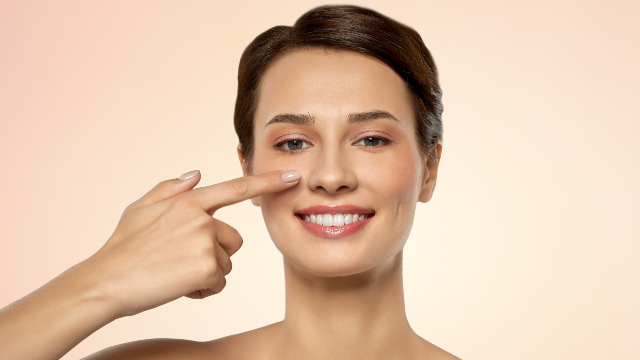
Medical Guide
Bulbous Nose Correction: Refining a Round Tip, No Implant
Bulbous nose correction refines a round nasal tip by reshaping your own cartilage, with no implant. Learn the techniques, candidacy, and recovery timeline.
Schedule a ConsultationBulbous Nose Correction: Refining a Round Nasal Tip Without an Implant
Medically reviewed by Dr. Kim Un-hoe, M.D., Board-Certified Plastic Surgeon, Sharp Plastic Surgery · Last updated July 2026
Bulbous nose correction Korea searches usually come from people whose nose looks round, wide, or "bulby" at the tip and who want a more refined, defined shape, ideally without an implant. Bulbous nose correction is a set of tip-refinement techniques that reshape the tip's own cartilage to make a round tip look narrower and more defined. Because it works by refining your existing structure rather than adding a foreign material, it fits a non-implant approach to nose surgery. This guide explains what causes a bulbous tip, how it is refined, who is a candidate, and how tip refinement is planned at Sharp Plastic Surgery in Seoul.
What Causes a Bulbous Nasal Tip?
A bulbous tip is a round, wide, or ill-defined nasal tip that lacks a clear point. It is usually caused by the shape and position of the lower lateral cartilages, the two curved cartilages that form the framework of the tip. When these cartilages are broad, convex, or splayed apart, or when they sit far from each other, the tip looks rounded rather than defined. Thick skin over the tip can add to the appearance, because thicker skin drapes over the cartilage and softens definition.
Understanding the cause matters, because the correction targets the underlying structure. Refining a bulbous tip is not about removing bulk from the surface; it is about reshaping and repositioning the tip cartilages so the framework beneath the skin becomes more defined. Where skin is thick, definition may be more gradual and subtle, which is an important expectation to set from the start.
Sharp Plastic Surgery explicitly lists a "bulbous tip" among the concerns it corrects. Its rhinoplasty candidacy guidance notes you may be a good candidate if you have concerns such as a low nasal bridge, hump, wide nose, bulbous tip, long nose, crooked nose, or asymmetry, and it plans each correction around the patient's individual anatomy.
How a Bulbous Tip Is Refined Without an Implant
Bulbous nose correction reshapes the tip using the tip's own cartilage, which is why it does not require an implant. As general education, surgeons draw on several established tip-refinement techniques, often in combination:
- Suture techniques: Fine sutures reshape and bring the tip cartilages closer together to create a narrower, more defined point without removing much tissue.
- Conservative cartilage trimming: Small, careful reduction of excess or convex cartilage to refine shape, done cautiously to preserve support.
- Cartilage grafts: Small pieces of the patient's own cartilage (for example from the septum or ear) can be used to add definition or support to the tip.
- Repositioning: Adjusting the position of the tip cartilages to improve projection and rotation so the tip looks refined and balanced.
The common thread is that these techniques work with your own anatomy. This aligns with Sharp Plastic Surgery's stated philosophy, which emphasizes non-implant contouring in facial procedures and, for the nose, structural refinement through its SharpRide Rhinoplasty system. In its rhinoplasty consultation, the clinic discusses whether cartilage grafts such as septal, ear, or rib cartilage may be appropriate based on your anatomy, reinforcing a structural, tissue-based approach rather than defaulting to an implant.
This is a meaningful distinction from generic nose-job content that often assumes implant-based augmentation. For a bulbous tip specifically, the goal is refinement of existing cartilage, and an implant is not the mechanism that narrows a round tip.
The Role of Skin Thickness
Skin thickness strongly influences how much definition is achievable, so it deserves its own discussion. Thin skin drapes closely over the reshaped cartilage and shows definition more readily. Thick skin, by contrast, is heavier and less able to contract tightly over a refined framework, so the same cartilage work may produce a softer, more gradual change. Neither is "better," but knowing your skin type helps set realistic expectations.
For patients with thicker tip skin, surgeons often emphasize building strong structural support and definition in the cartilage so the framework can project through the skin as much as possible, and they set expectations that swelling in the tip can take longer to fully resolve. Because skin thickness is individual, this is something to evaluate directly during an in-person assessment. You can arrange that assessment through the clinic's consultation and contact page.
Who Is a Candidate for Bulbous Tip Correction?
Candidacy is determined individually, but in general, good candidates are people bothered by a round, wide, or poorly defined nasal tip who are in stable health and have realistic expectations. At Sharp Plastic Surgery, you may be a suitable candidate for rhinoplasty if you want to improve the shape, size, or balance of the nose; have concerns such as a bulbous tip, wide nose, low bridge, hump, long nose, crooked nose, or asymmetry; wish for a natural-looking result that complements your facial proportions; or need primary or revision rhinoplasty with a personalized approach.
Whether tip-refinement techniques will achieve the definition you want depends on your cartilage shape, skin thickness, and overall nasal structure. The clinic emphasizes that eligibility is determined during an individual consultation, where the surgeon evaluates your nasal anatomy, facial balance, medical history, and goals to decide whether surgery is appropriate. Every consultation and procedure is performed personally by Dr. Kim Un-hoe, a board-certified plastic surgeon and Hanyang University College of Medicine graduate with more than 15 years of experience and over 1,000 surgeries performed, under the no-shadow-doctor policy. You can learn more about the clinic's surgeon-led approach on its about-us page and view its outcome philosophy on the before-and-after page.
How Sharp Plastic Surgery Plans Tip Refinement
Sharp Plastic Surgery plans bulbous tip correction through a structured, individualized consultation rather than a standardized method. The rhinoplasty consultation and diagnosis process includes a one-on-one consultation with the surgeon to discuss goals; a comprehensive nasal assessment of the nose's shape, skin condition, and structural support and its harmony with facial proportions; personalized facial analysis to determine the most suitable approach; a review of medical history and any previous nasal procedures; and a discussion of surgical options, including whether cartilage grafts may be appropriate. The surgeon then explains the recommended technique, expected improvements, recovery process, and realistic outcomes before scheduling.
To support precise planning, the clinic uses VECTRA 3D imaging and 3D CT, which help evaluate the tip cartilages and skin and how tip refinement would fit with the rest of the nose. Because a round tip sometimes coexists with a wide base or bridge, this whole-nose view helps ensure the tip refinement produces a balanced result rather than an isolated change. The clinic's stated aim is natural-looking refinement appropriate to your anatomy rather than a dramatic or exaggerated transformation.
Recovery and Realistic Expectations
Recovery after tip refinement varies by individual and by how much work is done. In general, swelling and bruising are most noticeable in the early period and subside gradually, while the tip continues to refine over the following months, often the last part of the nose to fully settle, especially in thicker skin. Sharp Plastic Surgery schedules postoperative follow-up visits to monitor healing, and the surgeon provides personalized recovery instructions and assesses progress before you resume normal activities.
The clinic explains that rhinoplasty results become more apparent as postoperative swelling gradually subsides, and that the nose continues to refine as healing progresses; it does not specify an exact timeframe for the final result. For international patients, the clinic advises remaining in Korea until scheduled postoperative check-ups are complete and the surgeon confirms recovery is progressing, and it continues follow-up communication after you return home with English-language support. Results depend on individual anatomy, skin quality, healing, and adherence to aftercare, and no specific outcome can be guaranteed.
Understanding Cost Factors (Without a Price)
There is no fixed number to quote for bulbous tip correction, because it is planned individually and published pricing is not provided here. In general terms, the tip rhinoplasty Korea cost is influenced by factors such as the complexity of the cartilage work, whether cartilage grafts are used and from where, whether the case is primary or revision, the anesthesia plan, and the follow-up care involved. The most reliable way to understand your specific situation is a personalized consultation, which you can arrange through the clinic's contact page.
The Bottom Line
- A bulbous tip is a round, wide, or poorly defined nasal tip caused mainly by the shape and position of the tip cartilages, sometimes with thick overlying skin.
- Correction refines the tip's own cartilage using suture techniques, conservative trimming, cartilage grafts, or repositioning, so an implant is not the mechanism that narrows a round tip.
- Sharp Plastic Surgery lists a bulbous tip among the concerns it corrects and emphasizes structural, non-implant refinement through its SharpRide Rhinoplasty approach.
- Skin thickness strongly affects how much definition is achievable and how long the tip takes to settle.
- Candidacy, technique, and realistic outcomes are decided through an individualized consultation with Dr. Kim, supported by VECTRA 3D imaging and 3D CT.
Frequently Asked Questions
**What is a bulbous nose tip?**A bulbous tip is a nasal tip that looks round, wide, or lacks a clear point. It is usually caused by broad, convex, or splayed tip cartilages, and thick overlying skin can add to the rounded appearance. Sharp Plastic Surgery lists a bulbous tip among the concerns it corrects through rhinoplasty.
**Can a bulbous tip be corrected without an implant?**Yes. Bulbous tip correction reshapes the tip's own cartilage using techniques such as sutures, conservative trimming, cartilage grafts, or repositioning, so it does not require an implant. This fits Sharp Plastic Surgery's structural, non-implant approach to refinement.
**Does skin thickness affect the result?**Yes, significantly. Thin skin shows definition more readily, while thick skin drapes over the cartilage and produces a softer, more gradual change and can take longer to settle. Your surgeon will assess your skin thickness and set realistic expectations during consultation.
**Am I a candidate for bulbous tip correction?**Candidacy depends on your cartilage shape, skin thickness, and nasal structure, and is determined during an individual consultation. In general it suits people bothered by a round or poorly defined tip who have realistic expectations. Sharp Plastic Surgery performs both primary and revision rhinoplasty.
**How long does the tip take to settle after surgery?**The tip is often the last part of the nose to fully settle and continues to refine over months as swelling subsides, especially in thicker skin. The clinic schedules follow-up visits to monitor healing and does not specify an exact timeframe for the final result.
**Will the result look natural?**The clinic's stated aim is natural-looking refinement appropriate to your anatomy rather than a dramatic or exaggerated change. Results are planned around your facial balance, though individual anatomy and healing vary and no specific outcome can be guaranteed.
**How is the tip-refinement plan decided?**Through a one-on-one consultation and comprehensive nasal assessment with Dr. Kim, reviewing your nasal shape, skin condition, structural support, and facial balance, supported by VECTRA 3D imaging and 3D CT. The surgeon then explains the recommended techniques before surgery.
This article is for general informational purposes and does not constitute individualized medical advice. Diagnosis, candidacy, and treatment can only be determined through consultation with a qualified clinician.
More Articles
Continue reading our clinical guides.
Septal Extension Rhinoplasty: Nasal Length & Tip Projection
Septal extension rhinoplasty uses your own cartilage to add nasal length and tip projection. Learn how it works, septum vs rib grafts, and who qualifies.
Learn More

Alar Reduction & Nostril Reshaping: Narrow a Wide Nasal Base
Alar reduction narrows a wide nasal base and reshapes flared nostrils. Learn how the technique works, scarring, recovery, and how a wide nose is assessed.
Learn More
Bulbous Nose Correction: Refining a Round Tip, No Implant
Bulbous nose correction refines a round nasal tip by reshaping your own cartilage, with no implant. Learn the techniques, candidacy, and recovery timeline.
Learn More