Personalized Medical Care & Dedicated International Patient Concierge


Medical Guide
Alar Reduction & Nostril Reshaping: Narrow a Wide Nasal Base
Alar reduction narrows a wide nasal base and reshapes flared nostrils. Learn how the technique works, scarring, recovery, and how a wide nose is assessed.
Schedule a ConsultationAlar Reduction and Nostril Reshaping: A Guide to Narrowing a Wide Nasal Base
Medically reviewed by Dr. Kim Un-hoe, M.D., Board-Certified Plastic Surgeon, Sharp Plastic Surgery · Last updated July 2026
Alar reduction surgery Korea searches often come from people whose nostrils look wide or flared and who want a narrower, more balanced nasal base. Alar reduction is a recognized rhinoplasty technique for narrowing a wide nasal base and refining flared or wide nostrils. The "alae" are the curved outer walls of the nostrils, and when they are wide or flared, the base of the nose can look broad relative to the rest of the face. Alar reduction removes a small, carefully measured amount of tissue at the nostril base to narrow it. This guide explains how the technique works, what to expect for scarring and recovery, and how Sharp Plastic Surgery in Seoul addresses wide-nose concerns through individualized rhinoplasty planning.
What Is Alar Reduction?
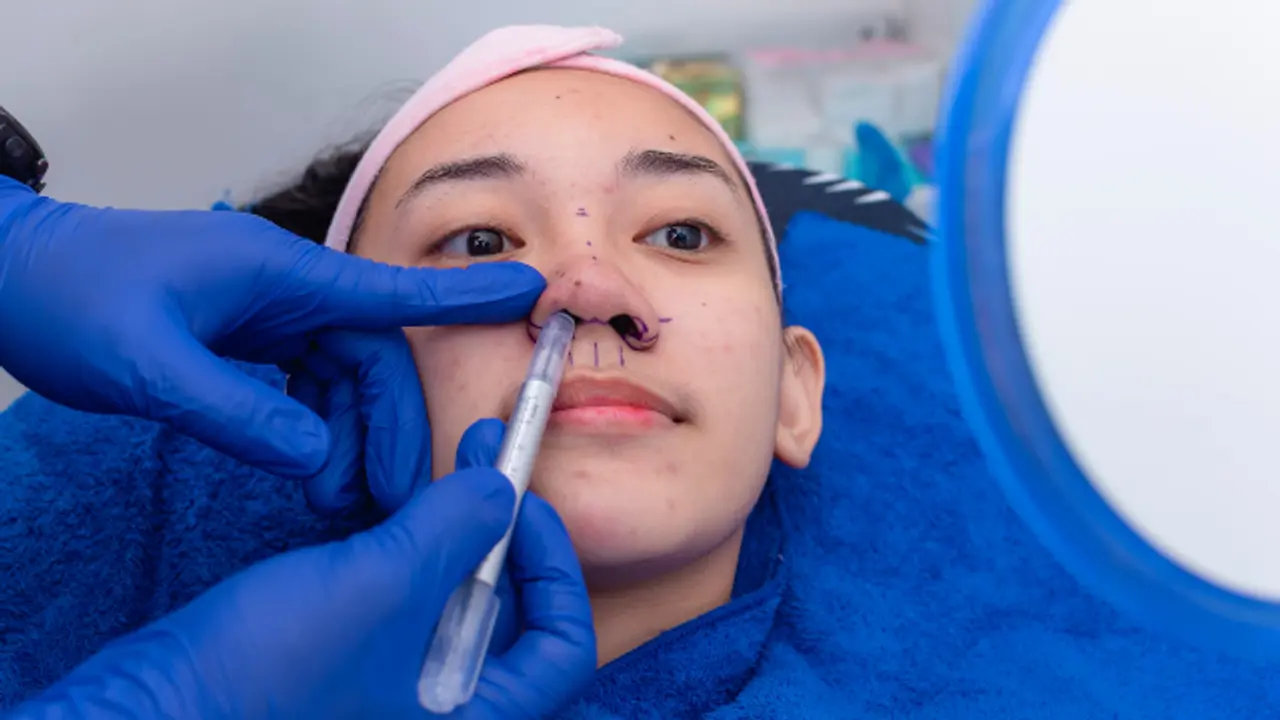
Alar reduction, sometimes called alar base reduction or nostril reduction, is a technique that narrows the width of the nasal base and reduces nostril flaring. The surgeon removes a precise wedge or strip of tissue near where the nostril meets the cheek, then closes it to bring the nostril walls inward. The amount removed is small and calculated, because the goal is a balanced, natural base rather than an obviously narrowed nose.
It helps to distinguish two related concerns that alar reduction can address. The first is nostril flaring, where the sides of the nostrils splay outward, often more visible when smiling. The second is interalar width, the overall distance between the outer edges of the nostrils. Different patterns call for slightly different approaches, and sometimes both are addressed together. Because the technique works at the visible base of the nose, planning and conservative execution are what separate a natural result from an over-narrowed one.
Alar reduction is a general, well-established rhinoplasty technique rather than a single standardized operation, and it is frequently performed as one component of a broader nose-reshaping plan rather than in isolation.
How Alar Reduction Fits Into Treating a Wide Nose
A "wide nose" can come from several different sources, and identifying the true cause is essential before deciding on a technique. Width can originate from:
- A wide nasal base or flared nostrils, which is what alar reduction specifically addresses.
- A wide or bulbous tip, where the tip cartilages are broad or splayed, calling for tip-refinement techniques rather than base reduction.
- A wide bony bridge (dorsum), where the nasal bones are set wide apart, sometimes addressed by narrowing the bony pyramid.
Often more than one of these is present, and that is why a wide nose is best evaluated as a whole rather than treating the nostrils in isolation. Alar reduction narrows the base, but if the width is coming mainly from the tip or the bridge, base reduction alone will not achieve balance. This is where an experienced assessment matters.
Sharp Plastic Surgery explicitly lists a "wide nose" among the concerns it treats through rhinoplasty. The clinic's rhinoplasty candidacy guidance notes you may be a good candidate if you have concerns such as a low nasal bridge, hump, wide nose, bulbous tip, long nose, crooked nose, or asymmetry. The clinic addresses these concerns not with a one-size-fits-all method but through customized surgical planning tailored to each patient's facial anatomy and aesthetic goals. In other words, alar reduction is one recognized tool that may be part of a personalized plan for a wide nose, decided based on your individual anatomy.
Scarring: What to Expect
Scarring is the most common concern patients raise about alar reduction, and it is a fair one, because the technique does involve a small external incision at the nostril base. In general terms, surgeons place these incisions in or near the natural crease where the nostril meets the cheek so that any resulting scar sits in a discreet location and tends to fade over time. When healing goes well, the scar is usually inconspicuous, though its final appearance depends on your skin type, healing tendency, and how your body forms scars.
Some general points worth understanding:
- Scar visibility varies between individuals; those prone to thicker or pigmented scarring should discuss this openly during consultation.
- Careful, conservative incision placement and closure are important for a discreet result.
- Sun protection and following aftercare instructions during healing can support better scar maturation.
- Scars continue to mature and fade over many months, so early appearance is not the final result.
Because scarring is anatomy- and skin-dependent, this is exactly the kind of factor a personalized consultation is meant to address. You can arrange an assessment through the clinic's consultation and contact page.
Alar Reduction Combined With Rhinoplasty
Alar reduction is frequently performed together with other rhinoplasty steps rather than on its own, because nasal width usually involves more than the base alone. For example, when the base is wide and the tip is bulbous, tip-refinement work may be combined with alar reduction so that the whole lower nose looks proportionate. When a hump is also present, dorsal reduction may be part of the same plan. Addressing these together in a single operative plan helps the various parts of the nose remain in balance with one another.
This integrated approach fits how Sharp Plastic Surgery describes its rhinoplasty philosophy: a customized procedure that reshapes and refines the nose to improve overall facial balance, with treatment planned around the patient's unique facial proportions rather than changing only one feature. The clinic performs both primary and revision rhinoplasty with a focus on structural refinement, and its signature nose system is SharpRide Rhinoplasty. Any decision to combine alar reduction with other techniques is made through individualized planning, not a predefined package. You can read more about the clinic's surgeon-led, personalized approach on its about-us page.
How Sharp Plastic Surgery Plans a Wide-Nose Correction
Sharp Plastic Surgery approaches a wide nose through a structured, individualized consultation rather than a standardized method. The clinic's rhinoplasty consultation and diagnosis process includes a one-on-one consultation with the surgeon to discuss goals and concerns; a comprehensive nasal assessment covering the nose's shape, skin condition, and structural support and its harmony with overall facial proportions; personalized facial analysis to determine the most suitable approach; a review of medical history and any previous nasal procedures; and a discussion of surgical options, including whether cartilage grafts or other techniques may be appropriate. The surgeon then explains the recommended plan, expected improvements, and realistic outcomes before scheduling.
Every consultation and procedure is performed personally by Dr. Kim Un-hoe, a board-certified plastic surgeon and graduate of Hanyang University College of Medicine, with more than 15 years of experience and over 1,000 surgeries performed, under the clinic's no-shadow-doctor policy. To support precise planning, the clinic uses VECTRA 3D imaging and 3D CT, which help evaluate how narrowing the base would interact with the tip and bridge. This whole-nose evaluation is what determines whether alar reduction, tip work, bridge narrowing, or a combination best fits your face. You can view the clinic's outcome philosophy on its before-and-after page.
Recovery and Realistic Expectations
Recovery after nostril reshaping varies by individual and by how much other work is done at the same time. When alar reduction is performed as part of a broader rhinoplasty, recovery generally follows the overall rhinoplasty timeline. Swelling and bruising are most noticeable early and subside gradually, and the base of the nose continues to settle over the following weeks and months. Sharp Plastic Surgery schedules postoperative follow-up visits to monitor healing, and the surgeon provides personalized recovery instructions and assesses progress before you resume normal activities.
For international patients, the clinic advises remaining in Korea until scheduled postoperative check-ups are complete and the surgeon confirms recovery is progressing as expected, and it continues follow-up communication after you return home with English-language support. As with any surgery, results depend on individual anatomy, skin quality, healing, and adherence to aftercare, and no specific outcome can be guaranteed. Because the base narrowing is meant to look natural, the final, settled result should be judged only after swelling fully resolves.
Understanding Cost Factors (Without a Price)
There is no fixed price to quote for alar reduction, because it is planned individually and published pricing is not provided here. In general, cost is influenced by whether the technique is performed alone or as part of a broader rhinoplasty, the complexity of the correction, the anesthesia plan, and the follow-up care involved. Because a wide nose often involves the tip or bridge as well as the base, the overall plan, rather than any single technique, shapes what is involved. The most reliable way to understand your specific situation is a personalized consultation, which you can arrange through the clinic's contact page.
The Bottom Line
- Alar reduction narrows a wide nasal base and reshapes flared nostrils by removing a small, measured amount of tissue at the nostril base.
- A wide nose can come from the base, the tip, or the bony bridge, so a whole-nose assessment is essential before choosing a technique.
- Sharp Plastic Surgery lists "wide nose" among the concerns it treats and addresses it through customized rhinoplasty planning, not a one-size-fits-all method.
- Alar reduction is often combined with tip refinement or bridge narrowing in a single, individualized operative plan.
- Scarring, recovery, and results depend on your anatomy and healing, and are best understood through a personalized consultation with Dr. Kim.
Frequently Asked Questions
**What does alar reduction do?**Alar reduction narrows the width of the nasal base and reduces nostril flaring by removing a small, measured amount of tissue near where the nostril meets the cheek. The goal is a balanced, natural base that suits the rest of the nose and face, not an obviously narrowed nose.
**Does alar reduction leave a scar?**The technique involves a small external incision at the nostril base, which surgeons typically place in the natural crease so any scar is discreet and tends to fade over time. Final scar appearance depends on your skin type and healing, which is why it should be discussed during consultation.
**Is a wide nose always fixed with alar reduction?**No. A wide nose can come from a wide base, a bulbous or wide tip, or a wide bony bridge. Alar reduction addresses the base, but if width comes mainly from the tip or bridge, other techniques are needed. This is why Sharp Plastic Surgery assesses the whole nose before planning.
**Can alar reduction be combined with other rhinoplasty steps?**Yes, and it often is. Because nasal width usually involves more than the base, alar reduction is frequently performed alongside tip refinement or bridge narrowing in a single plan. At Sharp Plastic Surgery, any combination is decided through individualized planning rather than a fixed package.
**Does Sharp Plastic Surgery treat a wide nose?**Yes. The clinic lists a wide nose among the rhinoplasty concerns it treats and addresses it through customized surgical planning tailored to each patient's anatomy and facial balance. Both primary and revision rhinoplasty are performed personally by Dr. Kim Un-hoe.
**What is recovery like after nostril reshaping?**When performed as part of rhinoplasty, recovery generally follows the overall rhinoplasty timeline, with early swelling and bruising that subside gradually and a base that settles over weeks to months. The clinic schedules follow-up visits and provides personalized recovery guidance.
**How is my wide-nose plan decided?**Through a one-on-one consultation and comprehensive nasal assessment with Dr. Kim, reviewing your nasal shape, skin, structure, and facial balance, supported by VECTRA 3D imaging and 3D CT. The surgeon then explains which techniques, which may include alar reduction, best fit your anatomy.
This article is for general informational purposes and does not constitute individualized medical advice. Diagnosis, candidacy, and treatment can only be determined through consultation with a qualified clinician.
More Articles
Continue reading our clinical guides.
Septal Extension Rhinoplasty: Nasal Length & Tip Projection
Septal extension rhinoplasty uses your own cartilage to add nasal length and tip projection. Learn how it works, septum vs rib grafts, and who qualifies.
Learn More
Alar Reduction & Nostril Reshaping: Narrow a Wide Nasal Base
Alar reduction narrows a wide nasal base and reshapes flared nostrils. Learn how the technique works, scarring, recovery, and how a wide nose is assessed.
Learn More

Bulbous Nose Correction: Refining a Round Tip, No Implant
Bulbous nose correction refines a round nasal tip by reshaping your own cartilage, with no implant. Learn the techniques, candidacy, and recovery timeline.
Learn More